Sizing & Care
Find the perfect fit for your pet and learn how to care for their new wardrobe.
Sizing Guide
Getting the right size ensures comfort, safety, and the best look for your pet
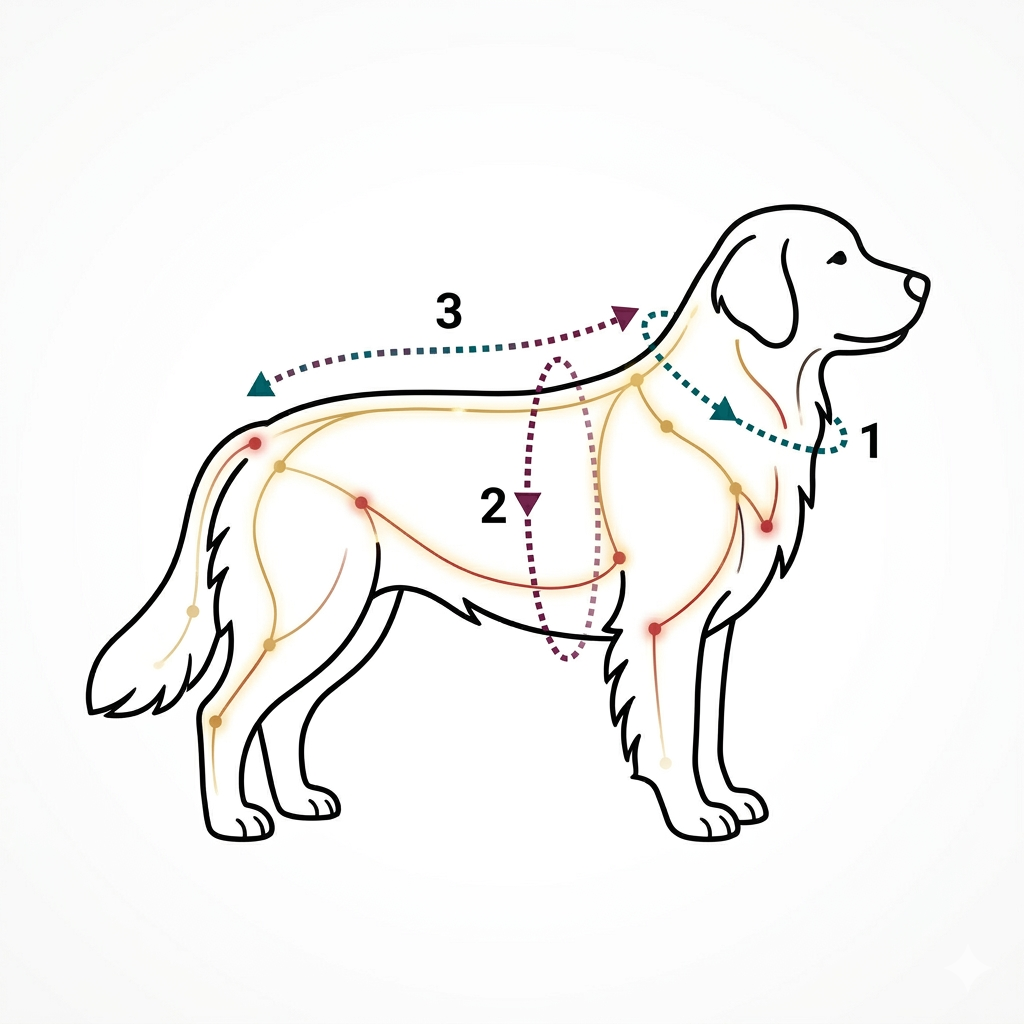
How to Measure Your Pet
Neck Circumference
Wrap a soft measuring tape gently around your pet's neck where a collar would naturally sit. Measure the widest part and keep the tape snug but not tight. You should be able to fit one finger between the tape and neck.
Chest Circumference
Measure around the fullest part of your pet's chest, just behind the front legs. Keep the measuring tape parallel to the ground and not twisted. This is the most important measurement for proper fit and comfort.
Length
Measure from the base of your pet's neck (where it meets the shoulders) to the base of the tail. This ensures the garment won't be too long or short. Your pet should be standing naturally in their normal posture.
Visual Sizing Guide
Reference diagram showing measurement points
Dog Sizing Chart
All measurements in inches (inches to cm: multiply by 2.54)
| Size | Neck | Chest | Length | Best For |
|---|---|---|---|---|
| XS | 8-10" | 14-16" | 8-10" | Chihuahuas, Toy breeds, puppies |
| S | 10-12" | 16-18" | 10-12" | Toy Poodles, Yorkies, small dogs |
| M | 12-14" | 18-22" | 12-16" | Cocker Spaniels, Beagles, medium breeds |
| L | 14-16" | 22-26" | 16-20" | Labradors, Golden Retrievers, large dogs |
| XL | 16-18" | 26-30" | 20-24" | Great Danes, German Shepherds, giant breeds |
Cat Sizing Chart
All measurements in inches
| Size | Neck | Chest | Length | Best For |
|---|---|---|---|---|
| S | 6-8" | 9-11" | 6-8" | Kittens, small cats (under 6 lbs) |
| M | 8-10" | 11-13" | 8-10" | Average adult cats (6-10 lbs) |
| L | 10-12" | 13-15" | 10-12" | Large cats, long-haired breeds (10-15 lbs) |
Size Not Sure? Contact our customer service team at hello@paw.style with your pet's measurements, and we'll recommend the perfect size. We want your pet's outfit to fit just right!
Care Instructions
Keep your pet's clothing looking fresh and lasting longer with our care tips
Washing Guidelines
- Machine wash in cold water with mild detergent
- Use delicate cycle to protect fabric integrity
- Wash separately from other items to prevent color bleeding
- Remove any decorations or delicate embellishments before washing
- Avoid bleach and fabric softeners
- Wash inside-out to protect colors and printed designs
Drying Tips
- Always air dry; do not use the dryer
- Lay flat or hang to dry away from direct sunlight
- Gently reshape while damp if needed
- Allow 24-48 hours for complete drying
- Do not wring or twist when wet
- Avoid heat sources like radiators or hair dryers
Storage Recommendations
- Store in a cool, dry place away from sunlight
- Use cedar blocks or lavender sachets for pest prevention
- Fold gently and stack neatly
- Keep away from moisture and humidity
- Store seasonally to save space
- Check periodically for signs of fading or damage
When to Replace
- When your pet outgrows the size
- If elastics become loose or non-functional
- When fabric becomes thin or worn through
- After major pilling that won't brush out
- If there are large stains that won't come out
- When stitching becomes visibly frayed or broken
Material-Specific Care: Always check the individual product care label, as some items with special treatments may require specific care instructions beyond these general guidelines.
Expert Tips for Pet Clothing Success
Introduction Tips
When introducing clothing to your pet for the first time, start slowly. Let them wear it for just 15-30 minutes while you're nearby. Most pets adjust within a few days. Reward them with treats and positive attention to create positive associations with wearing clothing.
Seasonal Considerations
In warmer months, choose lighter fabrics and shorter garments. In winter, layer with warmer pieces and ensure coverage. Always monitor your pet for signs of overheating or excessive cold, regardless of weather or season.
Activity and Comfort
Never restrict your pet's movement or natural behaviors with tight-fitting clothing. Your pet should be able to run, jump, play, and sit comfortably. Check fit regularly as your pet grows or gains/loses weight.